
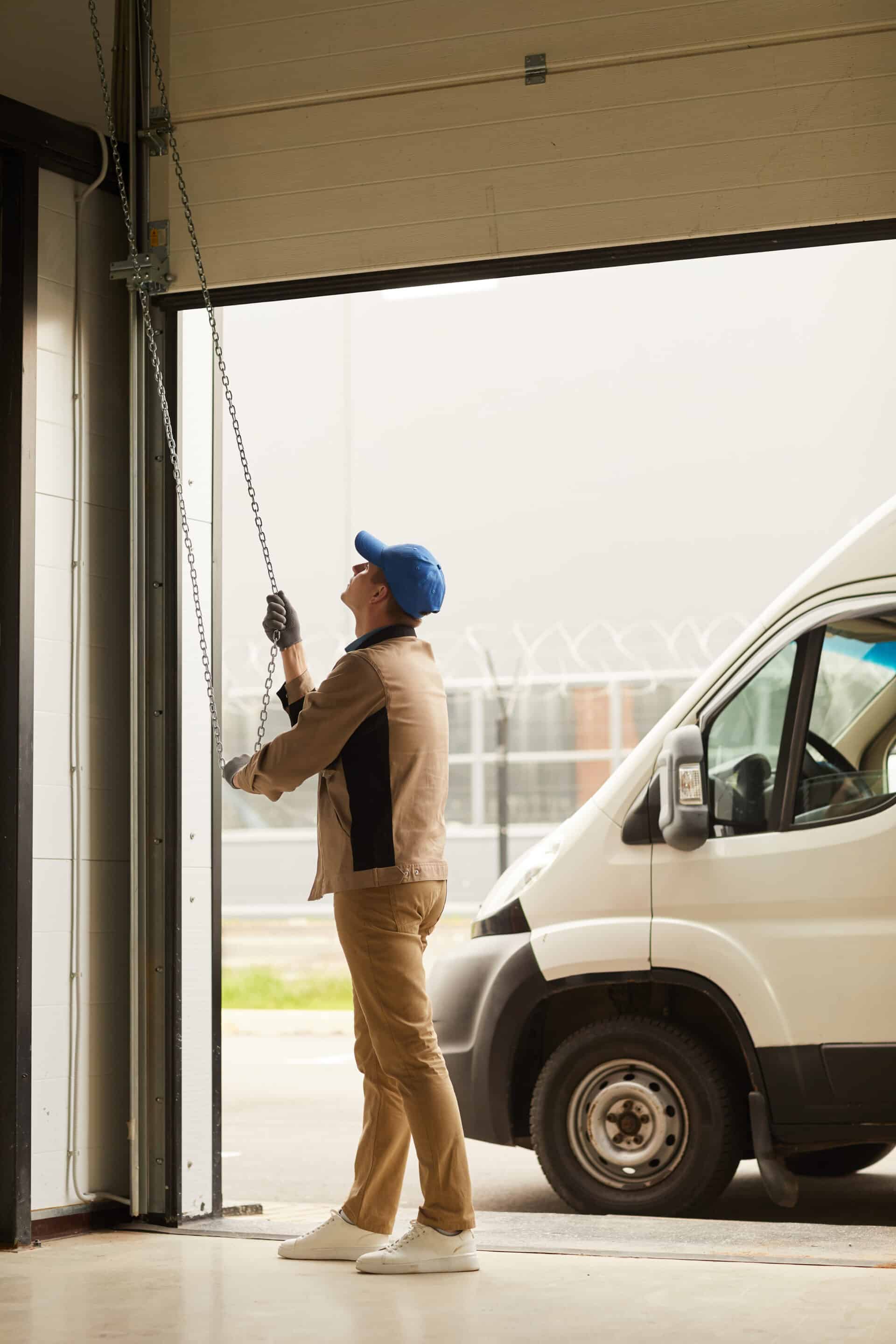
Commercial overhead doors are essential assets for warehouses, storefronts, and industrial facilities. They secure high-value inventory, regulate climate controls, and endure dozens of cycles every single day. Because these heavy-duty systems are used at high volume, understanding how to install a commercial garage door properly is vital for long-term performance, operational efficiency, and workplace safety.
Unlike a standard home garage door installation, a commercial or industrial garage door services setup involves heavy materials, precise engineering, and immense spring tension. This technical walkthrough breaks down the phases of a successful commercial overhead door installation to help you understand the precise requirements of a secure setup.
Phase 1: Pre-Installation Prep and Necessary Tools
Before handling any hardware, thorough preparation prevents costly alignment errors down the road. You must inspect the rough opening to ensure the jambs are completely plumb and the header is level. Any warping in the frame will cause the door tracks to bind, leading to premature wear on the rollers and operational failure.
Essential Equipment for the Job
- High tension winding bars
- Locking pliers and heavy-duty clamps
- Laser level and measuring tape
- Impact wrench and socket sets
- Impact resistant safety glasses and leather gloves
Safety Warning: High tension torsion springs store enough mechanical energy to cause severe injury. Never use makeshift tools like screwdrivers or rebar to adjust them. Always use dedicated, properly sized winding bars.
Phase 2: Step-by-Step Commercial Overhead Door Installation
1. Preparing and Stacking the Door Panels
The foundation of a smooth operational cycle starts at the very bottom. Lay out the bottom panel section on a clean surface. Attach the heavy-duty astragal (weather stripping) to the bottom edge. Next, install the bottom corner brackets, ensuring they are securely bolted, as they will anchor the lift cables.
Carefully position the first panel across the opening. Use a level to verify it sits perfectly flat. Secure it temporarily by wedging shims under the low side and driving temporary nails into the jambs to hold the panel flush.
2. Assembling and Aligning the Tracks
Commercial vertical tracks must handle immense vibrations. Assemble the vertical track pieces along with their wall mounting brackets. Bolt the track pieces together loosely so you can make fine adjustments later.
Position the vertical tracks on both sides of the door, leaving a uniform gap of roughly one-quarter inch between the door panel and the track lip. Slide the rollers into the hinges of the first panel and drop them into the track. Use your laser level to verify that both vertical tracks are perfectly parallel and completely plumb.
3. Setting Up the Torsion Spring Assembly
The torsion assembly does the heavy lifting for industrial garage door systems. Slide the torsion shaft through the center spring anchor bracket. Mount the torsion springs, bearings, and cable drums onto the shaft in the exact sequence outlined by the manufacturer.
Hoist the completed shaft assembly above the header and bolt the center bracket and end bearing plates securely to the structure. Route the steel lift cables up from the bottom corner brackets, wind them tightly over the drums, and lock the drums into place on the shaft.
4. Securing the Top Section and Winding the Springs
Install the remaining panel sections one by one, securing them together with commercial grade interior hinges. Once the top section is safely in place, install the top roller brackets and adjustable fixtures to seal the door tightly against the header.
With the door fully closed and locked down with locking pliers, wind the torsion springs. Insert your winding bars into the spring cone and turn them to the specific number of quarter turns recommended for your door’s weight. Once fully tensioned, tighten the set screws to lock the spring to the shaft.
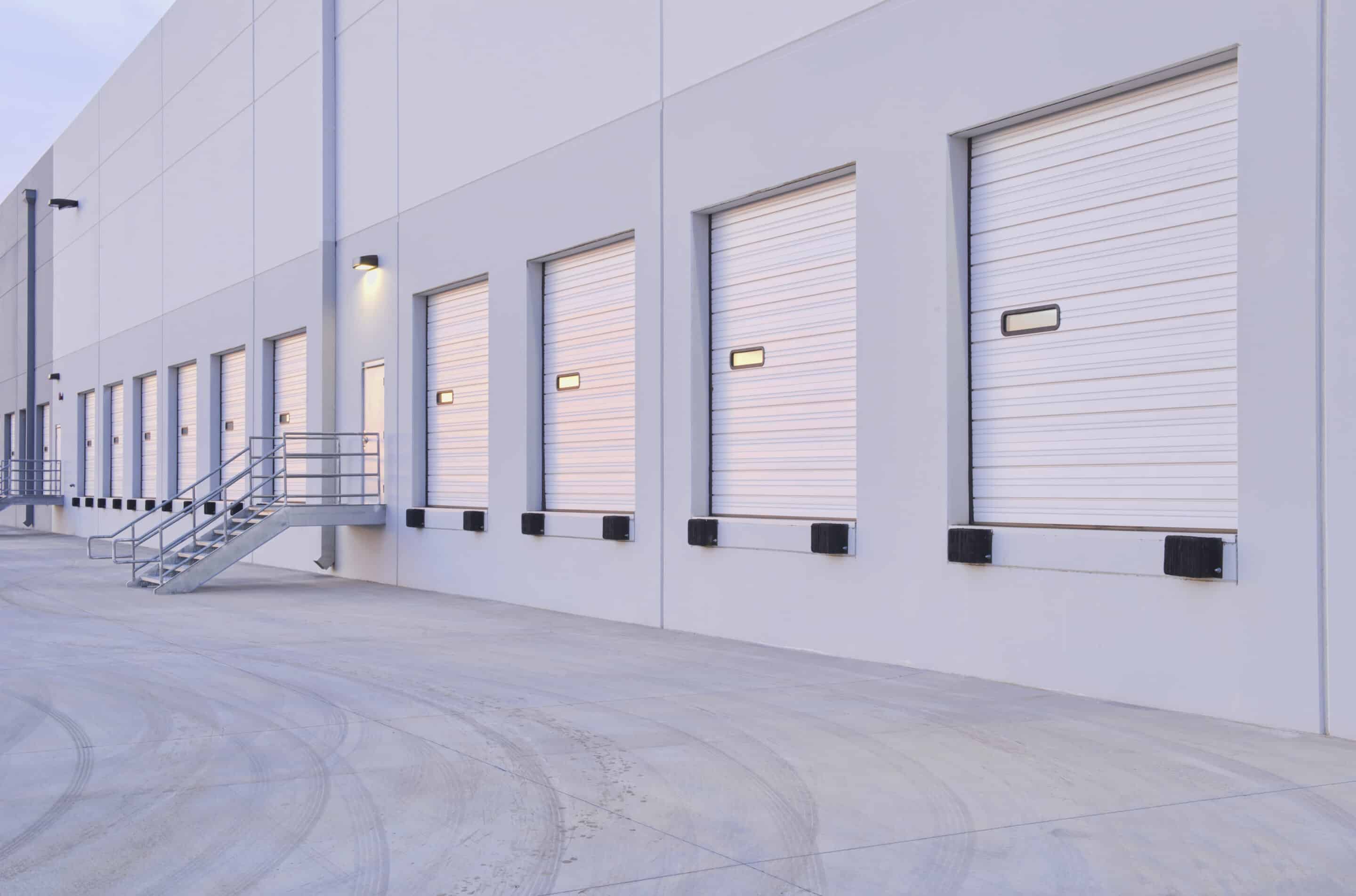
The Strategic Value of Professional Industrial Garage Door Services
While a DIY approach works well for simple home improvement tasks, commercial projects carry higher stakes. Property managers and business owners frequently rely on certified industrial garage door services to handle complex installations.
Professional installers bring several critical advantages to a project:
- Precision Engineering: Ensuring absolute track alignment to prevent long-term binding.
- Warranty Compliance: Protecting your commercial equipment investment with certified labor.
- OSHA Standards: Maintaining strict workplace safety protocols during high risk spring tensioning.
If you want to ensure your business remains secure and fully operational without operational delays, scheduling a professional setup is often the most cost-effective choice. You can learn more about certified expert assistance by exploring Liftup Garage Door Services.
Frequently Asked Questions About Commercial Overhead Doors
How is a commercial garage door installation different from a home garage door installation?
Commercial installations use heavier gauge steel, heavier industrial grade tracks, and high cycle torsion springs engineered for multiple openings per day. Residential systems focus on lower cycle usage and quieter operations.
How long does it take to complete a commercial overhead door installation?
A standard professional setup typically takes between 4 and 6 hours per door. However, massive industrial warehouse doors or complex rolling steel doors may require longer installation times.
What is the standard lifespan of commercial torsion springs?
Standard commercial springs are rated for 10,000 to 25,000 cycles. For high traffic logistics hubs or active repair shops, specialized high cycle springs can be installed to last for up to 100,000 cycles.
Can I automate an existing manual warehouse door?
Yes, most modern industrial overhead doors can be retrofitted with commercial jackshaft or trolley operators to automate daily workflows and improve facility security.
Conclusion: Keep Your Business Moving Safely
Learning how to install a commercial garage door highlights the high level of detail, specialized tools, and strict safety measures required to build a reliable entry system. From balancing heavy panels to calibrating powerful high-tension springs, every step plays a direct role in protecting your facility and your employees.
Do not let an improperly aligned track disrupt your daily operations or compromise your building security. Connect with the commercial installation experts at Liftup Garage Door Services today to schedule a precision installation or upgrade your commercial property.